
Australia and India working together
for sustainable water futures
The Australia India Water Centre is a partnership of institutions and researchers, working together on research, education, training and outreach for sustainable water futures.
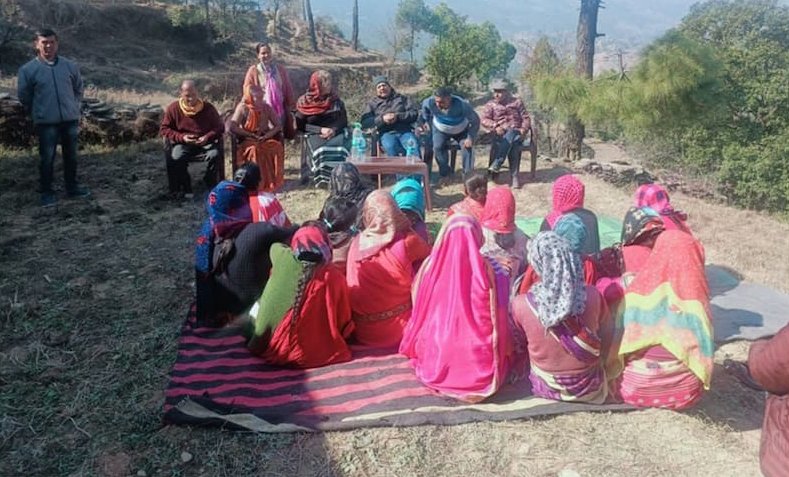
Our impact at a glance
A network, not a project.
Leading Australian and Indian institutions, government agencies and water businesses came together to form the Australia India Water Centre. Five years on, this is its shape.
Our work
AIWC’s key activities are structured into four distinct areas. Each has two or more programme leaders, who meet six times a year to plan, design and oversee activities across partners and stakeholders.
Featured initiatives
 MARVIVillage-level groundwater monitoring and management with farmer volunteers, the Bhujal Jankaars, in Rajasthan and Gujarat.
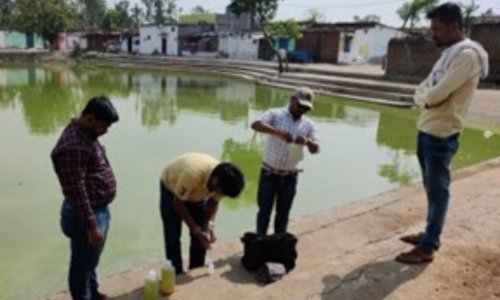 OurWaterA free, community-focused water monitoring and learning app built on the MARVI approach.
 Young Water ProfessionalsTransdisciplinary training for young professionals from India’s central and state water departments.
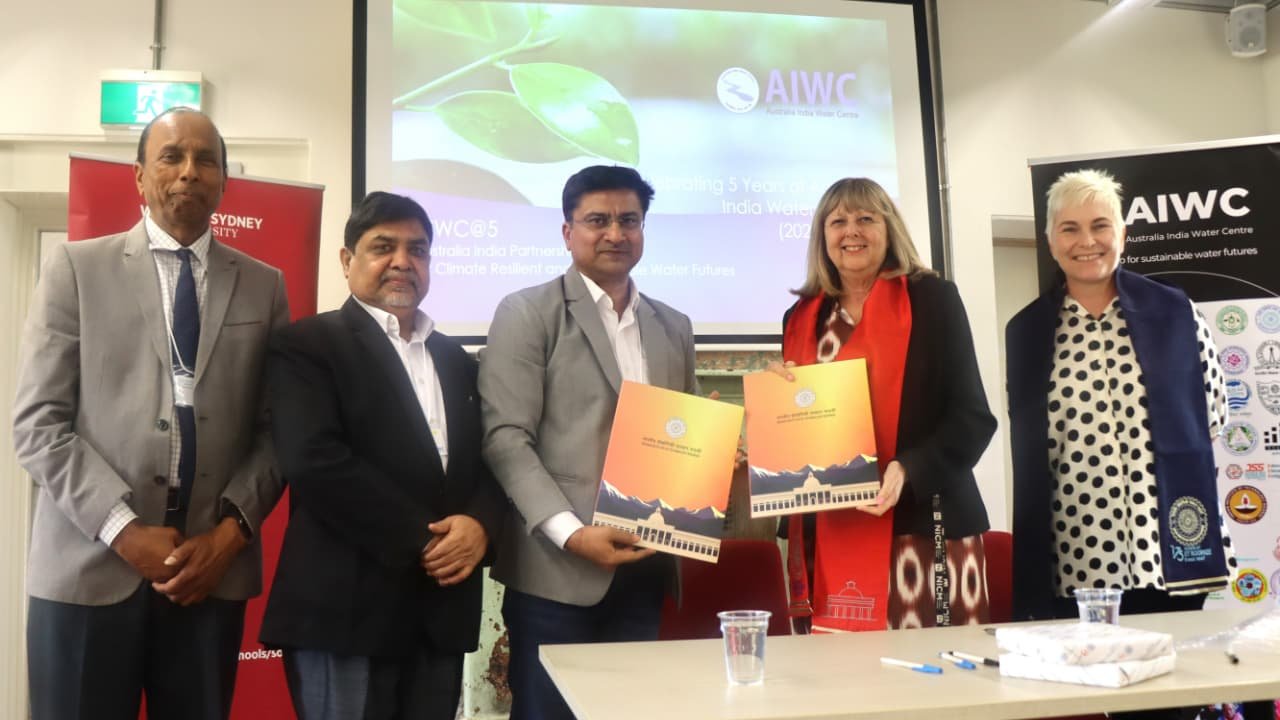 AIWC 2030The agenda partners set at AIWC@5: climate-resilient agriculture, groundwater security, water quality, digital tools and joint education.
Latest from AIWC
Symposia, podcasts and the WATER TALKS webinar series — open to researchers, policy-makers, practitioners and students across Australia, India and the Asia Pacific.
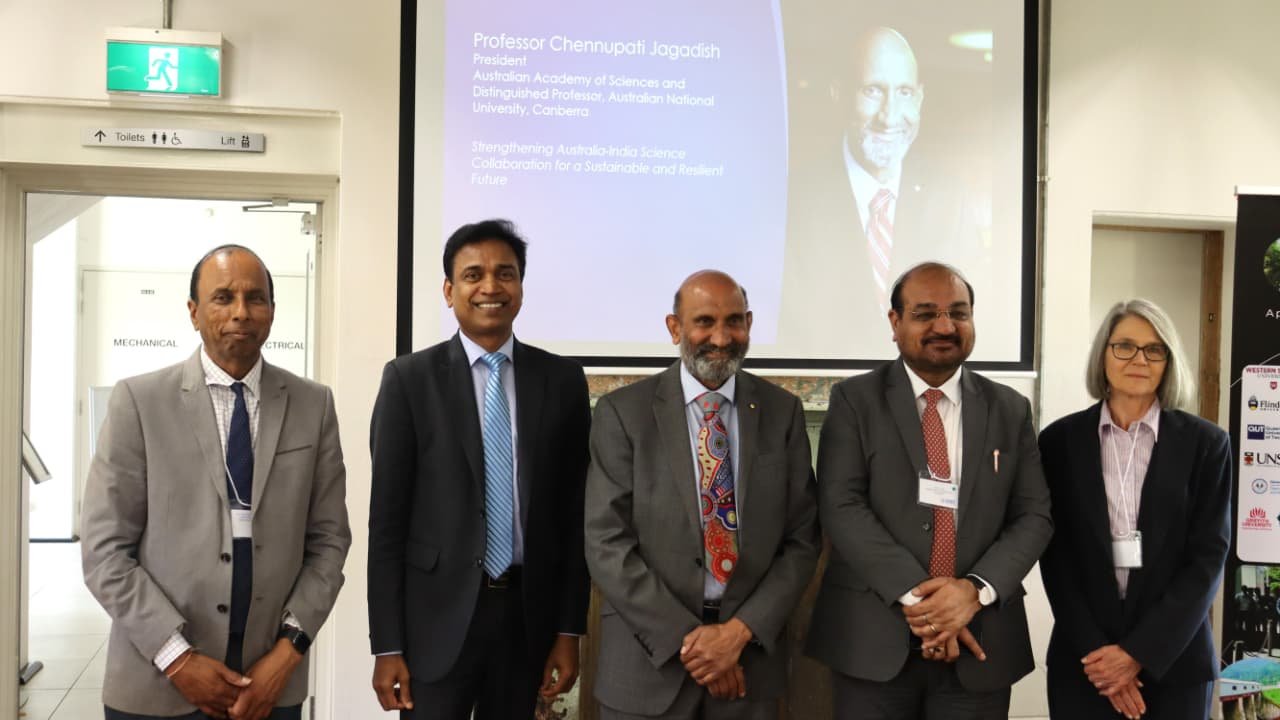 AIWC@5 International Symposium: Water Futures and Climate Resilience18–19 November 2025, Western Sydney University.
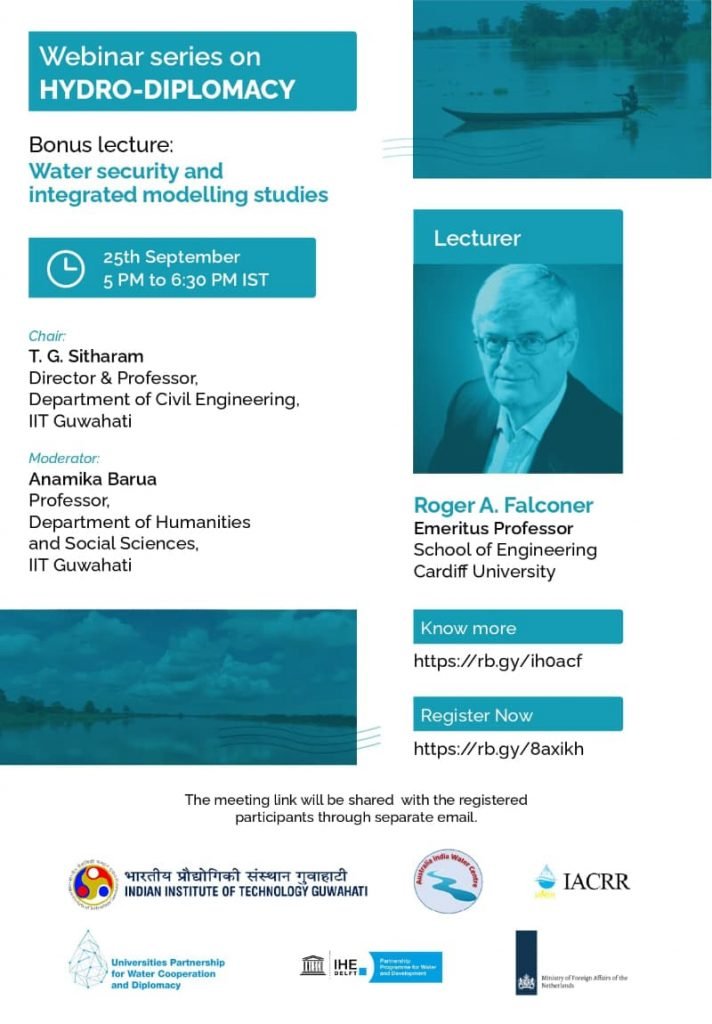 WATER TALKS 2025The AIWC webinar series, open to researchers, policy-makers, practitioners and students.Geospatial data and web-based tools for managing irrigation infrastructure expansion projectsWorld Water Policy, 2023.Rejuvenation of the springs in the Himalayan regionFrom the WaterWise blog.
People & partners
Expertise that crosses disciplines, not just borders.
AIWC partners bring engineering, ecology, social science, law and agriculture to the same table — which is what makes it a genuinely transdisciplinary group rather than a network of hydrologists.
Australia 11
- Australia India Institute
- Deakin University
- Department for Environment and Water, South Australia
- Flinders University
- Griffith University
- QUT Queensland University of Technology
- University of Melbourne
- University of New South Wales
- University of Western Australia
- University of Wollongong
- Western Sydney University
India 21
- Banaras Hindu University
- Centre for Water and Sanitation (CWS)
- G. B. Pant University of Agriculture & Technology, Pantnagar
- Indian Council of Agricultural Research (ICAR)
- Indian Institute of Information Technology Dharwad
- Indian Institute of Science, Bangalore
- Indian Institute of Technology (BHU) Varanasi
- Indian Institute of Technology Guwahati
- Indian Institute of Technology Kharagpur
- Indian Institute of Technology Chennai
- Indian Institute of Technology Roorkee
- Institute of Land and Disaster Management
- Institute of Rural Management Anand
- Jawaharlal Nehru Technological University, Hyderabad
- JSS Science and Technology University, Mysuru
- Maharana Pratap University of Agriculture and Technology, Udaipur
- National Institute of Hydrology, Roorkee
- Public Health Engineering Department (PHED)
- Sardar Vallabhbhai National Institute of Technology, Surat
- University of Agricultural Sciences, Bangalore
- Water Resources Department, Maharashtra
Collaborate with AIWC
AIWC is looking for partners for the 2030 agenda.
Climate-resilient agriculture, groundwater security, PFAS and water quality, digital water tools, joint degree programmes and micro-credentials — the priorities set by partners at AIWC@5. If your institution works in any of them, we would like to hear from you.